Get Stone Column Installation
Stone column installation services help stabilize and strengthen weak or expansive soils for foundation support, retaining walls, and large construction projects.
If you are considering improvements to your property’s stability or landscape, stone column installation services could be a practical solution. This type of work is often chosen by property owners seeking to enhance soil support, reduce settlement issues, or improve drainage. Whether planning a new construction project or addressing existing ground challenges, exploring options from local contractors can provide valuable insights into the best approaches for your specific site.
Property owners in the area might find it beneficial to compare local service providers who specialize in stone column installation. Evaluating different contractors can help identify experienced professionals capable of handling the scope of your project. Continuing to explore these options can ensure you find the right expertise to support your property’s needs and achieve your project goals.
- Commercial construction projects - when businesses need to stabilize soil for building foundations or underground structures.
- Residential property development - for homeowners requiring ground reinforcement before installing driveways, patios, or landscaping features.
- Infrastructure improvements - during road, bridge, or utility corridor upgrades that demand soil stabilization in challenging conditions.
- Environmental remediation - when soil needs to be strengthened to support excavation or contaminated site restoration efforts.
- Erosion control projects - to prevent soil loss on slopes or flood-prone areas through effective ground stabilization methods.

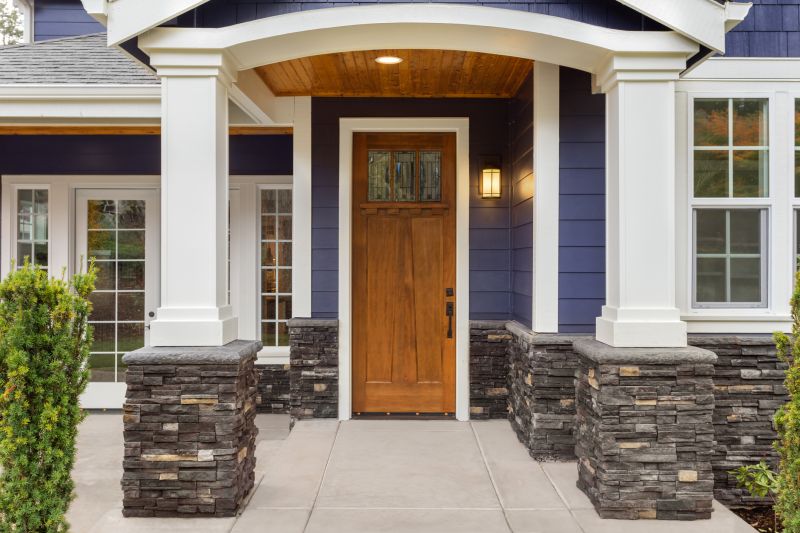
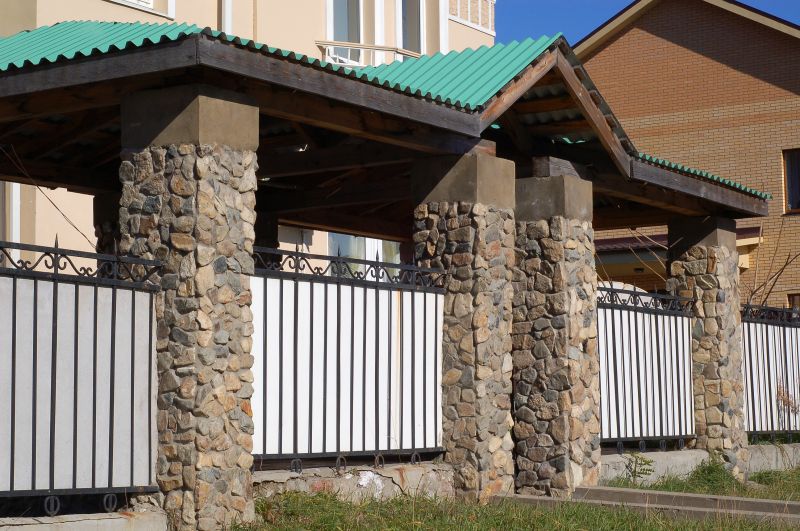
Stone column installation is a ground improvement technique used to stabilize and strengthen weak or unstable soil. The process involves inserting vertical columns of compacted stone or gravel into the ground to create a solid foundation. These columns help distribute loads more evenly and improve the overall bearing capacity of the soil, making it suitable for supporting structures such as homes, garages, or additions. This method is often chosen for its ability to quickly and effectively enhance soil stability without extensive excavation or major construction work.
This service is particularly effective in addressing problems like soil settlement, uneven shifting, or foundation instability. When a property experiences sinking or shifting due to poor soil conditions, stone column installation can provide a reliable solution by reinforcing the ground beneath the foundation. It also helps prevent future issues related to expansive clay soils, loose fill, or soft ground that can cause cracks, uneven floors, or structural damage over time. Homeowners dealing with these types of foundation concerns may find this approach to be a practical way to improve long-term stability.
Properties that commonly benefit from stone column installation include residential homes built on problematic soils, commercial buildings, and land parcels prepared for new construction. Homes situated on clay, silt, or loose fill soils are often candidates, as these conditions can lead to uneven settling or shifting. Additionally, properties with existing foundation issues or those located in areas prone to soil movement may require this service to ensure a stable and secure foundation. It is a versatile solution suitable for various property types where ground reinforcement is necessary to support safe, long-lasting structures.
Local contractors offering stone column installation services typically serve homeowners and property owners facing soil stability challenges. They assess site conditions to determine if this method is appropriate and then install the columns to improve ground strength. This service is a practical choice for those experiencing foundation settlement, cracking walls, or uneven floors, especially when traditional underpinning methods may not be suitable or cost-effective. Connecting with experienced service providers can help property owners find the right solution to address soil-related issues and protect the integrity of their structures.
The overview below groups typical Stone Column Installation projects into broad ranges so you can see how smaller, mid-sized, and larger jobs often compare in your area.
In many markets, a large share of routine jobs stays in the lower and middle ranges, while only a smaller percentage of projects moves into the highest bands when the work is more complex or site conditions are harder than average.
Smaller Repairs - Typical costs for minor stone column repairs or replacements usually fall between $250-$600. Many routine jobs are completed within this range, though prices can vary based on the scope and materials involved.
Standard Installations - Installing new stone columns or replacing existing ones generally costs between $1,000-$3,000 for most projects. Many local contractors handle projects in this range, with larger or more complex jobs reaching higher prices.
Large or Complex Projects - Larger, more intricate stone column installations can cost $3,500-$8,000 or more. These projects often involve custom designs or extensive groundwork, which can push costs into the higher end of the spectrum.
Full Replacement - Complete replacement of multiple stone columns or extensive structural work can range from $5,000 to over $15,000. Such projects are less common and typically involve significant planning and resources, leading to higher costs.
Actual totals will depend on details like access to the work area, the scope of the project, and the materials selected, so use these as general starting points rather than exact figures.
Ground stabilization projects - local contractors use similar drilling and soil assessment techniques to install ground supports that prevent shifting and settling.
Retaining wall construction - professionals apply comparable planning, excavation, and foundational work when building structures to hold back soil or water.
Soil reinforcement installations - these projects involve inserting materials into soil to improve stability, requiring similar excavation and placement skills.
Foundation underpinning - this work involves strengthening existing building foundations using techniques akin to stone column installation for load support.
Pier and pile driving services - local service providers use similar equipment and planning to install deep supports for structures or utilities.
Ground improvement services - professionals enhance soil properties using methods like stone columns, requiring comparable site assessment and installation expertise.
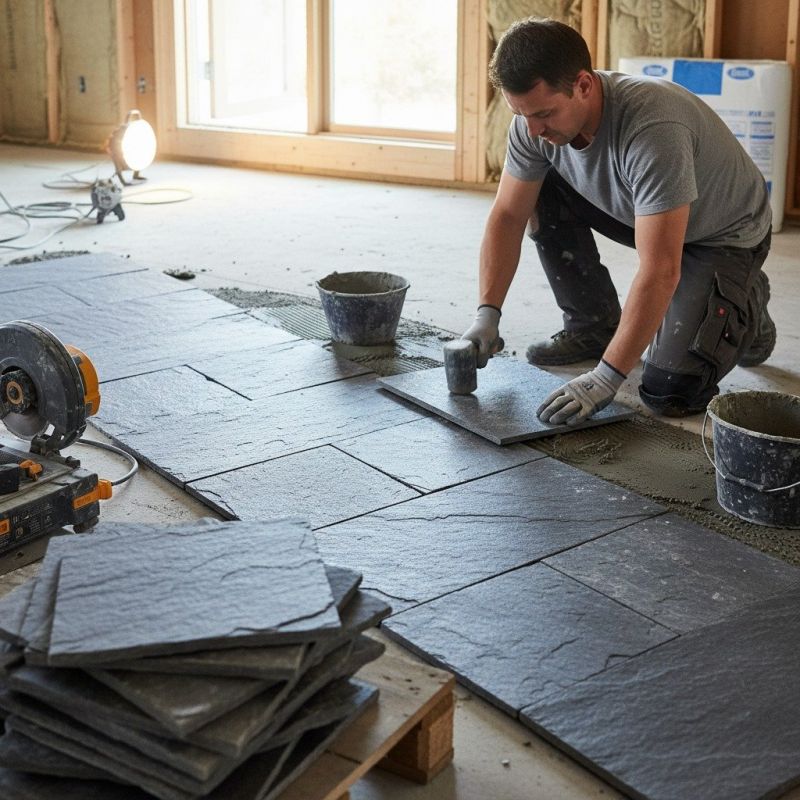
When evaluating local contractors for stone column installation, it’s important to consider their experience with similar projects. Homeowners should inquire about the types of soil stabilization or ground improvement jobs they have completed in the past, especially those comparable in size and scope. A contractor with relevant experience is more likely to understand the specific challenges that can arise during installation and will be better equipped to recommend appropriate solutions. Reviewing the contractor’s background in handling projects similar to the one at hand can provide confidence that they are familiar with best practices and have a proven track record in this specialized area.
Clear, written expectations are essential when comparing local service providers. Homeowners should seek detailed proposals that outline the scope of work, materials to be used, and any specific procedures involved in the stone column installation. Having these details in writing helps prevent misunderstandings and ensures everyone is aligned on the project’s objectives. It’s also beneficial to ask service providers to explain their process and the steps involved, so expectations are transparent from the outset. This clarity helps homeowners make informed decisions and select a contractor who communicates openly and thoroughly.
Reputable references and strong communication are key factors in choosing the right local contractor for stone column installation. Homeowners are encouraged to ask for references from past clients who had similar work done, to gain insight into the contractor’s reliability and quality of service. Good communication throughout the project-such as responsiveness, clarity in explanations, and willingness to answer questions-can significantly impact the overall experience. While the site introduces homeowners to local options, it’s important to remember that the actual work is performed by these service providers. Comparing their experience, communication style, and reputation can help ensure a successful project outcome.
Property owners use Stone Column Installation services for practical projects around their homes and businesses. This guide focuses on everyday jobs and straightforward project options.
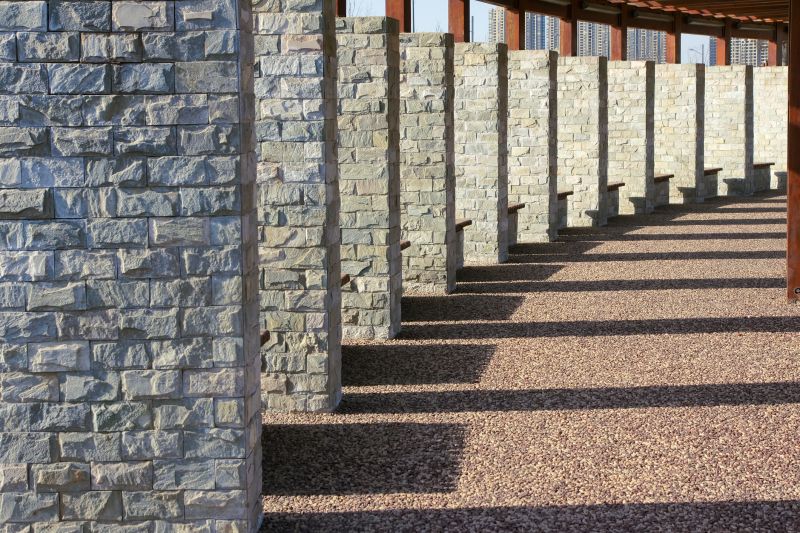

Stone column installation is commonly needed in situations where property owners are dealing with unstable or shifting soil. This service helps improve ground stability for projects such as new construction, foundation repairs, or landscaping improvements. Local contractors can provide solutions that address issues like uneven settling, soil erosion, or inadequate load-bearing capacity, ensuring that structures remain secure and durable over time.
Property owners might seek stone column services when preparing a site for development or addressing existing foundation concerns. These installations can also be useful for enhancing drainage or reducing future settlement problems. Local service providers offer the expertise to evaluate specific site conditions and recommend appropriate solutions to support long-term property stability and integrity.
What are stone columns used for in construction? Stone columns are used to improve soil stability and increase load-bearing capacity, often for foundation support or ground reinforcement projects.
How do local contractors install stone columns? Contractors typically install stone columns by excavating holes, filling them with compacted stones, and ensuring proper alignment and compaction for stability.
Are stone columns suitable for all types of soil? Stone columns are most effective in soft or loose soils where ground improvement is needed, but a local contractor can assess suitability based on specific site conditions.
What types of stones are used in stone column installation? Various types of stones, such as crushed stone or gravel, are used depending on the project requirements and local availability.
Can stone columns be integrated with other foundation systems? Yes, stone columns can be combined with other foundation techniques to enhance ground support and overall stability.
Foundation Stabilization - Property owners can use stone column installation to reinforce weak or shifting soil beneath buildings or structures.
Soil Improvement - This service helps improve soil bearing capacity for new construction or landscaping projects.
Erosion Control - Stone columns can be part of strategies to prevent soil erosion on slopes or garden beds.
Retaining Wall Support - Installing stone columns provides additional stability for retaining walls and other landscape features.
If you are thinking about Stone Column Installation for a property, this guide is meant to help you understand the work, the typical project types, and how different options might fit your plans.
When you are ready, you can use the quote form on this page to share a few details about your project. From there, local pros can review the basics and respond with options that match what you have in mind.